
Amazon Satellite Broadband 2026 UK Launch, Speeds and Prices

Amazon Satellite Broadband: What It Means for UK Internet Users
Amazon satellite broadband completely alters how rural homes connect to the internet. The new low Earth orbit constellation delivers gigabit speeds to properties entirely ignored by traditional providers. We are looking at a system designed to undercut existing competitors directly. The network relies on advanced optical lasers in space to bypass ground station bottlenecks. You get fast speeds and low latency beamed directly to your home.
Key Takeaways
- Amazon LEO targets a UK beta launch in mid-2026 following Ofcom approval in February 2025.
- Hardware includes three distinct satellite dishes ranging from a small 7-inch Nano model up to a large enterprise unit.
- Download speeds reach up to 1Gbps for the top-tier packages.
- Optical infrared lasers transfer data between satellites at 100Gbps.
- Target round-trip latency sits between 30ms and 50ms.
- You can self-install the equipment easily without calling an engineer.
Internet Packages, Speeds and Who They Are Suitable For
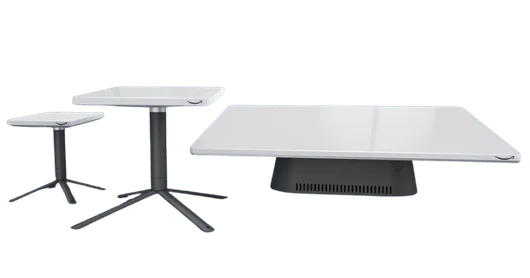
Amazon designed three specific customer terminals to match different household needs. The Nano Model is a tiny 7-inch square dish acting as the entry-level option. It weighs just over two pounds and delivers download speeds up to 100Mbps. This provides plenty of bandwidth for a small household watching streaming video and browsing the web.
The Pro Model is the standard home dish measuring 11 inches square. It pushes speeds up to 400Mbps. This tier competes directly with standard ground-based connections. You can review our guide to compare faster cheaper broadband deals to see your current options.
The Ultra Model targets giant households or businesses. The largest dish hits download speeds of 1Gbps and impressive uplink speeds of up to 400Mbps.
The pricing strategy focuses entirely on market domination. Starlink currently rules the sector. Elon Musk charges a premium upfront fee for hardware in the UK alongside a set monthly subscription fee. Industry analysts expect Amazon to price the standard Pro dish and monthly subscription significantly lower than these entry-level fees. They want to steal market share immediately upon launch.
The Technology: Optical Lasers and Amazon Satellite Broadband
Traditional satellite internet relies on geostationary satellites orbiting 22,000 miles away. That massive distance creates terrible lag. Amazon LEO operates between 590km and 630km above the Earth. This drastically reduces the physical distance the signal travels. The real advantage comes from their space-based optical inter-satellite links.
The new satellites use infrared lasers to talk to each other in orbit. They transfer data across the constellation at 100Gbps. Old systems bounce every single request back down to a local ground station. Amazon routes your traffic through space directly to the optimal destination. This creates a massive mesh network above the clouds. It keeps latency incredibly low and stops the network from slowing down during busy evenings.
Speed, Performance, and Traffic Management
Satellite networks usually suffer from heavy contention during peak hours. Thousands of users trying to stream television at 8 PM forces speeds to drop. The optical laser mesh limits this congestion. Amazon uses its massive AWS infrastructure on the ground to process traffic efficiently.
They process data using a custom Prometheus baseband chip. This chip handles the processing power of a 5G mobile network combined with cellular base station capabilities. It processes up to 1Tbps of traffic on board each individual satellite. You experience a smooth connection even when your entire neighbourhood logs on.
| Provider | Average Download Speed | Estimated Latency | UK Hardware Cost |
|---|---|---|---|
| Amazon LEO Pro | 400Mbps | 30ms to 50ms | TBC |
| Starlink Standard | 200Mbps | 20ms to 40ms | £60/mo |
| OneWeb | 150Mbps | 50ms to 70ms | Enterprise Only |
| Typical Full Fibre | 900Mbps | 5ms to 10ms | £30/mo |
Installation Process and Equipment
Getting satellite internet running is much easier than waiting for an engineer to drill through your walls. Amazon designed the entire system for quick self-installation. You order the kit online. A box arrives containing the dish, a mounting bracket, and a custom Wi-Fi router. You fix the dish to your roof or place it in your garden where it has a clear view of the sky.

The dish connects to the indoor router with a single cable. The entire system survives extreme weather conditions. The hardware is tested to withstand temperatures from minus thirty degrees Celsius up to plus fifty degrees Celsius. It holds an IP66 rating against heavy rain and dust. If you need help figuring out the best router placement inside your home, read our complete Wi-Fi installation guide.
Coverage, Availability, and One Touch Switching
Amazon targeted a mid-2026 availability window for their initial rollout. The UK made the short list for the first wave of beta testing alongside the United States and Germany. Telecommunication regulators told Amazon they must launch half of their total planned satellites by the summer of 2026. The company recently asked the FCC for an extension on this deadline because they fell behind schedule. They did secure official approval from the UK communications regulator, Ofcom, in February 2025 to offer satellite internet.
You should not cancel your current contract just yet. Providers like BT and Virgin Media still offer incredible speeds on the ground right now. Switching between fixed-line providers is easier than ever with the new One Touch Switch process. Satellite providers currently sit outside this automated switching system. You must cancel your old contract manually after you get your new dish working.
Reliability, Uptime, and Customer Service
Heavy rain and thick snow cause temporary signal drops known as rain fade. Amazon designs its dishes to boost power automatically during bad weather to maintain a connection. You might see a slight dip in download speeds during a severe storm. Total dropouts remain extremely rare. They quote a link availability of greater than 99% in extreme global weather conditions.
Customer support details are not fully public yet. We expect Amazon to rely heavily on the existing Amazon customer service application. They already possess the largest consumer support infrastructure in the world. You will likely manage your subscription, request replacements, and view network status directly through your standard Amazon account.
Cancelling Terms, Fees, and Social Tariffs
Amazon refuses to confirm early termination fees for the UK market. The standard industry practice for satellite broadband involves buying the hardware outright and paying a rolling monthly fee. This means you can pause or cancel your subscription at any time without massive penalty charges. The dish belongs to you.
Social tariffs provide discounted internet to households receiving Universal Credit. Full fibre providers heavily promote these cheaper deals. Satellite operators historically ignore social tariffs because the hardware costs too much to subsidise. We do not expect Amazon to launch a specific social tariff on day one. Their entry-level Nano dish provides the most affordable route into orbit for low-income rural homes.
In-depth Performance Data from Independent Sources
Ofcom released a spring update showing gigabit broadband is now available to 89% of UK homes. The remaining 11% live in rural or hard-to-reach locations. These properties rely entirely on satellite or slow copper lines. Independent data on Amazon LEO is scarce because the service remains in private beta.
We can look at consumer feedback for their direct rival to understand expectations. Trustpilot reviews for Starlink show huge praise for speeds but deep frustration with customer service. Users complain about automated bot responses when hardware fails. Amazon built its retail empire on fast returns and easy customer contact. They have a massive opportunity to dominate the sector by simply answering the phone when a dish breaks.
Related Articles
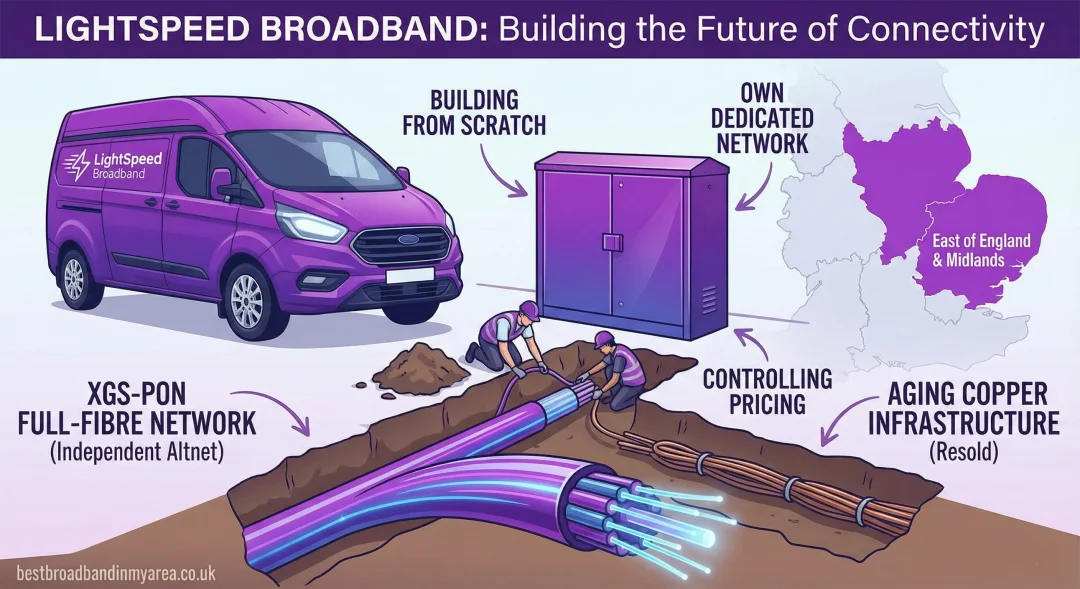
Lightspeed Broadband Review 2026
Lightspeed Broadband Review – Is Lightspeed broadband any good? If you live in the East of England or the Midlands, you have likely noticed the purple vans parked on verges and the new cabinets appearing on street corners. LightSpeed Broadband isn’t just another company reselling the same old BT Openreach wires. They are an independent […]
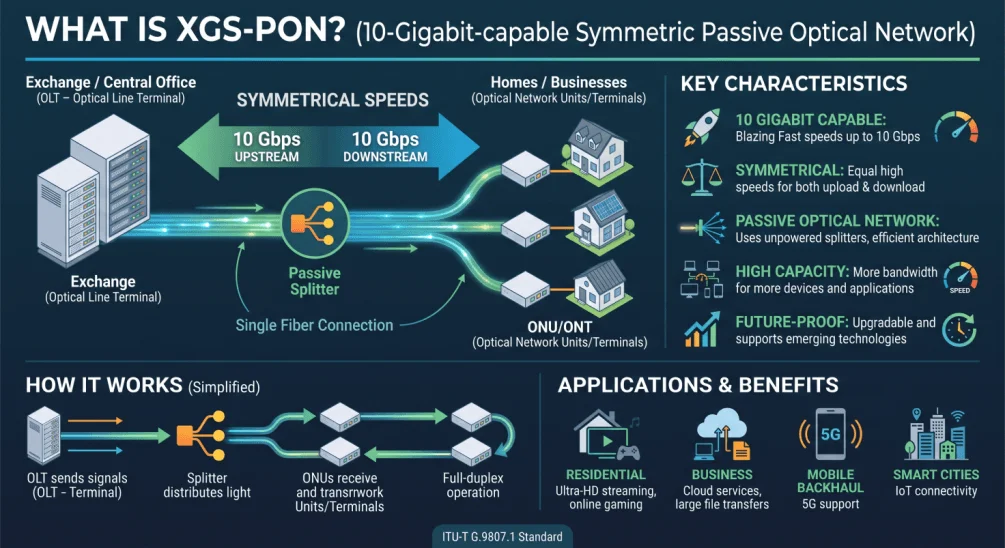
What is XGS-PON
What is XGS-PON? The 10G Symmetric Fibre Tech Explained XGS-PON stands for 10-Gigabit Symmetric Passive Optical Network. It delivers symmetrical 10Gbps speeds over fibre, enabling multi-gigabit residential and business broadband. Openreach, CityFibre, Hyperoptic, YouFibre and nexfibre are rolling it out across the UK. If you have been shopping for broadband recently, you might have seen […]
Additional Features, Bundles, and Router Technical Specifications
The indoor router relies on the exact same custom Prometheus chip found inside the satellites. This chip handles intense data loads effortlessly. Amazon filed documents indicating the router acts as a modern base station. We expect the final retail unit to feature Wi-Fi 6 or Wi-Fi 7 capabilities.
Amazon Prime membership integration seems inevitable. They bundle music, video, and delivery into a single subscription today. Adding a discounted broadband tier to Prime creates a monopoly offer no other ISP can match. They have not confirmed TV or mobile bundles yet. The focus remains entirely on delivering the core internet connection first. You can read our basic overview on what is broadband to understand the core technology.
In-depth Analysis of Key Customer Pain Points
Rural consumers hate waiting for reliable internet. The biggest pain point right now is the launch delay. Amazon promised early access in 2025. They pushed this back to mid-2026. People stuck on 10Mbps copper lines grow frustrated waiting for rockets to launch.
Hardware aesthetics form another major complaint with satellite systems. Huge dishes look terrible on listed buildings. The new Nano dish solves this problem completely. A 7-inch square box hides easily on a flat roof or a garden post. It completely removes the visual pollution associated with old television satellite dishes.
Suitability for Gaming and Working from Home
Video calls need a steady connection for remote workers. Old satellite internet caused a two-second delay on every word you spoke. Low Earth orbit satellites fix this completely. Amazon targets a round-trip latency of 30ms to 50ms. You can present a Zoom meeting or share your screen without talking over your colleagues.
Gamers care about latency more than anyone. High ping ruins fast-paced multiplayer games. A 30ms ping makes competitive gaming entirely possible. This tech is a massive upgrade over a dying copper line for users in remote areas. Read our guide on the best broadband for gamers to see what speeds you actually need to win matches. Full fibre remains the absolute best choice for a lag-free experience if you can get it.
Sustainability and Corporate Responsibility
Launching thousands of satellites creates massive amounts of space junk. Amazon addresses this directly through their hardware design. They give every satellite a strict seven-year operational lifespan. The units use onboard propulsion for controlled deorbiting when they die. They burn up completely in the Earth’s atmosphere.
Astronomers regularly complain about satellites ruining their telescope images. Amazon coats all their units with a custom mirror film. This film drastically reduces solar reflectivity. They disappear from view once they reach their final operating altitude. This keeps the night sky clear for scientific observation.
Don’t wait for rockets to launch if you suffer from terrible internet speeds right now. We track the best deals across the entire country daily. Enter your postcode into our broadband availability checker below to find the fastest, cheapest connection on your street today. Check current broadband deals.
Amazon Satellite Broadband FAQs
What is the difference between Amazon LEO and Project Kuiper?
There is absolutely no difference between the two names. Amazon LEO operates as the new consumer brand name for Project Kuiper. The company started the massive engineering project under the Kuiper code name to build the initial satellites and secure regulatory funding.
They retired the code name and officially adopted the Amazon LEO brand on 13 November 2025. This change makes the product sound much more consumer-friendly ahead of the public launch. Project Kuiper remains the internal engineering name for the satellite hardware division. You buy the internet service under the Amazon LEO brand.
How big is the Amazon LEO satellite constellation?
The initial constellation design includes more than 3,000 satellites working together in tightly coordinated movements. Building this massive fleet requires incredible manufacturing scale.
Amazon relies on their production facility in Kirkland, Washington, which holds the capacity to build up to five satellites every single day. The company then transports these completed units to their dedicated processing facility at the Kennedy Space Centre in Florida for final rocket integration before launch.
Is Amazon LEO better than Starlink?
Amazon LEO offers a strong theoretical advantage through its space-based optical laser mesh network. This specific technology routes data directly between satellites in orbit without relying on local ground stations. It actively improves speed and lowers latency for the end user.
Starlink currently wins entirely on availability and proven reliability. Their network is completely operational today with millions of paying customers. Competition between these two massive corporations will drive hardware prices down rapidly. Both companies must continuously improve their network stability to keep subscribers from switching.
How do they plan to launch so many satellites?
Getting over 3,000 satellites into orbit requires a massive logistical effort. Amazon secured more than 80 launches from heavy-hitting commercial providers including Arianespace, Blue Origin, SpaceX, and ULA.
These combined agreements represent the largest commercial procurement of launch vehicles in history. Utilizing multiple rocket companies ensures Amazon can maintain a steady deployment schedule even if one provider faces a delay.
Can I use Amazon satellite broadband while travelling?
Amazon plans to support mobile connections in the future. The initial rollout focuses entirely on fixed residential addresses. You must register the dish to a specific geographic location for the network to assign you a satellite feed.
The company expects to release dedicated hardware for campervans, boats, and commercial airlines once the primary network stabilises. They already secured partnerships with several airlines to provide in-flight Wi-Fi. You cannot throw the standard home dish in your car and expect it to work on a camping trip today.
Does weather affect satellite internet?
Heavy rain and thick snow cause temporary signal drops known as rain fade. The radio frequencies used to beam internet from space struggle to punch through dense water droplets. This affects every single satellite provider in the world.
Amazon designs their dishes to boost power automatically during bad weather. The dish detects signal degradation and requests a stronger connection from the satellite. You might notice a slight dip in total download speeds during a severe thunderstorm. Total dropouts remain incredibly rare and usually only last for a few minutes.
How does the optical laser mesh network work?
Every satellite in the Amazon constellation carries advanced infrared lasers. They use these lasers to beam data to neighbouring satellites in orbit. This happens at speeds reaching 100Gbps. The data travels through the vacuum of space much faster than it travels through fibre optic cables on Earth.
This mesh network removes the need for a direct line of sight to a ground station. Your dish sends a request up to the nearest satellite. That satellite immediately beams the request across the laser network to the exact location of the server. This bypasses congested internet exchanges on the ground and reduces overall latency.
What are the exact dimensions of the customer terminals?
Amazon created three distinct sizes for their consumer dishes. The Nano model is a tiny square measuring exactly 7 inches by 7 inches. It weighs just one pound and fits perfectly in a small backpack. This unit targets basic households and highly portable use cases.
The standard Pro residential dish measures 11 inches by 11 inches. It weighs less than five pounds without the metal mounting bracket. The massive Ultra dish targets huge businesses and commercial locations. It measures 19 inches by 30 inches and pushes uplink speeds up to 400Mbps alongside gigabit download
We do not expect Amazon to offer a dedicated social tariff at launch. Social tariffs provide highly discounted monthly internet to people claiming Universal Credit. The physical cost of manufacturing complex satellite dishes makes this incredibly difficult for space-based providers to sustain.
They address affordability directly through the introduction of the Nano dish. This smaller unit costs significantly less to manufacture than rival hardware. Amazon expects to sell this terminal at a highly accessible price point. This provides a realistic entry point for lower-income rural homes desperate for better speeds.
How much will Amazom Leo monthly subscription cost?
Amazon refuses to release exact UK pricing figures ahead of the launch. They state clearly their main goal is to aggressively undercut the existing competition. Starlink charges a set premium monthly fee for their entry-level residential plan.
Industry analysts expect Amazon to price the standard Pro tier below standard competitive market rates to steal market share. They have the financial backing to run the broadband service at a loss for years. This predatory pricing strategy guarantees they will capture a massive portion of the rural internet market quickly.
Can I install the dish myself?
You can install the entire Amazon Leo satellite system yourself without hiring a professional engineer. The box arrives with everything you need to get connected in under an hour. You must possess basic DIY skills to mount the bracket securely to an exterior wall or roof tile.
You do not need to point the dish at a specific satellite in the sky. The internal phased array antenna electronically steers the signal to find the best connection automatically. You simply place it outside with a clear, unobstructed view of the sky and plug it into the mains power.
How does the latency compare to full fibre?
Latency measures the exact time it takes for a data packet to travel from your house to a server and back again. Full fibre internet provides the lowest latency possible, usually sitting between 5ms and 10ms. This makes the connection feel instant.
Amazon LEO targets a latency window of 30ms to 50ms. This represents a massive improvement over old geostationary satellites that suffered from 600ms delays. You can play competitive video games and host video calls on a 30ms ping effortlessly. Full fibre remains technically superior, but low Earth orbit closes the gap significantly.
What happens if a satellite breaks in orbit?
The constellation relies on thousands of individual satellites working together. The loss of a single unit does not disrupt the internet service on the ground. The mesh network instantly reroutes traffic to the next closest satellite passing overhead.
The broken satellite uses its remaining onboard power to push itself down towards Earth. It hits the upper atmosphere and burns up completely without leaving any dangerous debris. Amazon constantly launches new rockets to replace aging units and expand the total capacity of the network.
Does the system include a Wi-Fi router?
Every customer terminal ships with a dedicated indoor Wi-Fi router. Amazon designed a custom router specifically to handle the high speeds delivered from space. Early filings suggest the router features two Ethernet ports and a simple power plug.
The router uses the same custom processing chip found inside the dish. This ensures the hardware never acts as a bottleneck for your speeds. We expect the final retail units to support Wi-Fi 6 technology as a minimum standard to guarantee excellent coverage throughout your home.
Can trees block the satellite signal?
Physical objects completely destroy high-frequency satellite signals. You must mount the dish in a location with a wide, unobstructed view of the sky. Tall trees, neighbouring buildings, and steep hills interrupt the connection instantly.
The system cannot blast a signal through a solid brick wall or a thick oak tree. You must carefully assess your property before ordering the hardware. The accompanying smartphone application includes a camera tool to scan your sky and identify potential obstructions before you install the bracket.
Will the service work in the city?
You can technically use the service in a dense city, but it makes no financial sense. Urban areas benefit from extensive full fibre networks delivering gigabit speeds for a low monthly fee. City users also struggle to find a clear patch of sky without high-rise buildings blocking the view.
The entire network design focuses on rural and remote locations ignored by ground-based providers. The satellites have limited bandwidth capacity over specific geographic areas. If thousands of city users connect simultaneously, the local cell becomes congested. Satellite internet exists to serve the countryside.
When exactly can I order the service?
You cannot buy the hardware today. Amazon operates a closed enterprise preview for select business clients right now. They target a wider beta rollout for UK residential customers in mid-2026.
You can register your interest on their official website to join the waiting list. They will notify you when hardware becomes available in your specific postcode. The initial rollout happens gradually as they launch more satellites and increase network capacity over Europe.
What is the environmental impact of launching so many rockets?
The space industry faces intense scrutiny regarding carbon emissions. Rockets burn massive amounts of fuel to escape Earth’s gravity. Amazon attempts to offset this impact through strict sustainability policies across their entire supply chain.
They use reusable rocket components where possible to reduce manufacturing waste. The satellites themselves are incredibly small and lightweight. This allows a single rocket to carry dozens of units into orbit at once. This efficiency reduces the total number of launches required to build the constellation.
The company also funds research into cleaner rocket propulsion fuels. They must balance the environmental cost of getting to space against the social benefit of connecting billions of people to the modern economy. The long-term goal involves creating a fully carbon-neutral launch program by the next decade.
How does Amazon satellite broadband compare to 5G home internet?
Mobile 5G networks provide a fantastic alternative to fixed-line broadband. They deliver speeds exceeding 300Mbps using nearby mobile phone masts. You simply plug a 5G router into the wall and connect immediately.
Satellite broadband serves the locations mobile signals cannot reach. If you live in a deep valley or a remote farming village, your 5G signal is likely non-existent. Amazon LEO steps in to fill these massive dead zones. 5G usually costs less and provides slightly lower latency because the signal travels a much shorter distance.
You should always test a 5G connection before committing to expensive satellite hardware. If you have a strong mobile signal on your phone, a 5G router will likely solve your internet problems today. Satellite internet acts as the ultimate safety net when absolutely all other terrestrial options fail.