
How Massive UK Broadband Mergers Are Dropping Prices in 2026
How Massive UK Broadband Mergers Are Dropping Prices
The UK internet market is undergoing a massive structural correction.
![How Massive UK Broadband Mergers Are Dropping Prices in [wpdts-custom format="Y"]](https://bestbroadbandinmyarea.co.uk/wp-content/uploads/bbima-broadband-mergers-png.webp "How Massive UK Broadband Mergers Are Dropping Prices in [wpdts-custom format=\"Y\"] 8") More than one hundred independent broadband companies, known as altnets, rushed to lay their own full fibre cables over the last five years. These smaller providers saw a clear opportunity to beat BT Openreach and Virgin Media to the punch. Investors poured billions of pounds into these projects to fund the initial construction.
More than one hundred independent broadband companies, known as altnets, rushed to lay their own full fibre cables over the last five years. These smaller providers saw a clear opportunity to beat BT Openreach and Virgin Media to the punch. Investors poured billions of pounds into these projects to fund the initial construction.
This sudden influx of cash created a chaotic building boom. Multiple different companies dug up the exact same streets in wealthy suburbs while ignoring rural areas entirely.
The financial reality has finally caught up with the industry. High borrowing costs and intense competition mean these independent firms can no longer survive on their own. They are now joining forces to stay afloat.
Recent massive buyouts like Nexfibre acquiring Substantial Group and Freedom Fibre merging with Truespeed are completely changing the market. This wave of corporate consolidation directly alters the internet choices available at your specific address.
Key Takeaways
- Small local networks are joining together to build a massive new network that can compete with BT Openreach and Virgin Media.
- These larger combined companies have the money to offer big discounts to win you over from the household names.
- If your broadband provider merges with another, your active contract, price, and speed are legally protected.
The industry is moving away from building brand new networks and turning toward simply surviving. You might have noticed multiple different companies digging up your street over the last few years. This happened because providers rushed to cover the same wealthy towns, causing a massive overlap in infrastructure.
Why Broadband Companies Are Joining Together
Building a new internet network from scratch takes a huge amount of cash. Companies have to pay for expensive materials, civil engineering teams, and road closure permits. When interest rates were low, borrowing this money was easy. The financial climate is entirely different today. According to market data from AlixPartners, 47% of UK fibre companies are facing intense financial pressure to restructure or refinance their debt. Banks have pulled back on lending, meaning smaller firms can no longer survive on their own.
Joining forces fixes this cash problem instantly. By blending their networks, these companies cut out duplicate office costs and bring their engineering teams together. They stop fighting over the same small towns and instead reach way more customers across different regions. Their main goal is to become big enough to be a real alternative to the BT Openreach network. A larger network attracts more wholesale partners, meaning familiar brands might soon start selling packages using these new altnet cables.
The government and regulators actively encourage this process. A fragmented market with one hundred tiny companies is confusing for consumers and inefficient for the country. Consolidation creates three or four giant networks that can genuinely hold the big players accountable.
How Mergers Affect Your Contract and Prices
The biggest worry when companies merge is that your bill will suddenly go up or customer service will get worse. In the broadband world, these background changes rarely mess with your daily internet connection. Your current agreement stays exactly the same when another company buys your provider.
Your Contract and Bills
The new owners can’t legally raise your monthly price or add time to your contract out of nowhere. Regulatory rules force the buying company to honour your existing terms until your minimum term expires. The billing systems will eventually merge, so the name on your bank statement will change. Regulators watch this transition closely to make sure you aren’t charged twice and your connection stays active. If a new owner tries to change your core contract terms, Ofcom rules state you have the right to leave without paying any penalty fees.
Price Trends and Mid-Contract Rises
In the long run, these mergers are great news for your wallet. A larger, financially secure company can afford to run cheap introductory deals to steal customers from the major brands. Small, struggling companies often have to raise prices just to stay afloat. A combined brand with millions of homes on its network can keep prices low for high speeds. Many of these newer networks also promise fixed prices. They refuse to use the mid-contract price rises that major providers often apply every spring, giving you total certainty over what you pay each month.
The Big New Names on the Block
The table below shows the main companies that are joining together right now to challenge the old monopolies.
| Who is Merging | Where They Cover | How Many Homes They Aim to Reach |
|---|---|---|
| Nexfibre & Substantial Group (Netomnia, brsk, YouFibre) | Midlands, North West, South West, and Yorkshire | 5 million homes |
| Freedom Fibre & Truespeed | North West, West Midlands, South West, East of England | 412,000 homes |
| Fern Fibre (Giganet, Swish Fibre, AllPoints) | South of England and parts of Scotland | 1 million+ homes |
Nexfibre is making the biggest waves in the market right now. Backed by the parent companies of Virgin Media O2, their acquisition of the group behind Netomnia and brsk gives them a massive footprint. They are targeting suburban areas that have been ignored by other providers. This move makes them the most serious threat to Openreach’s dominance outside of major city centres.
Freedom Fibre focuses heavily on the North West and Midlands. Their recent merger with Truespeed expands their reach into the South West. They specialise in connecting rural and semi-rural homes that usually suffer from terrible copper connections.
Fern Fibre is consolidating several smaller brands into a single, unified offering. By bringing Giganet, Swish Fibre, and AllPoints under one roof, they’re creating a highly efficient network across the South of England. This reduces confusion for customers who previously had to choose between three overlapping brands.
Are you covered by one of these new giant networks? Enter your postcode below to see your specific local options.
Real Review Data Are These New Networks Any Good
Switching to a broadband brand you’ve never heard of can feel risky. Official data shows that these newer networks often beat the household names for speed and keeping customers happy. They run on entirely new technology that doesn’t suffer from the same faults as old copper telephone lines.
Real-World Speeds
According to Ofcom’s Spring 2026 Connected Nations report, full-fibre broadband is now available to 82% of UK homes, up from 78% just a year prior. At the same time, gigabit-capable broadband now reaches 89% of properties. Ofcom’s data shows that these newer full-fibre networks deliver their promised speeds much better than older lines. Since these networks are brand new, they don’t slow down during busy evening hours when everyone in your street is online.
What Customers Think
If you look at review sites like Trustpilot, there is a giant gap between the old brands and the new ones. Mainstream providers like Virgin Media often get low scores due to long call wait times and complex billing issues. Independent networks like YouFibre and brsk have brilliant ratings like 4.6 and 4.8 out of 5. Customers regularly praise them for clear bills and UK support teams who actually answer the phone quickly. You speak to a real person who can actually fix your problem instead of being bounced between automated menus.
Related Articles
Best Broadband in my Area in 2026
How to find the Best Broadband in My Area Finding the best broadband deal in your area is very easy. Simply enter your postcode into our broadband coverage checker to instantly see the deals available near you. Our broadband search tool is designed to save you time and stress. With just a simple postcode entry, […]
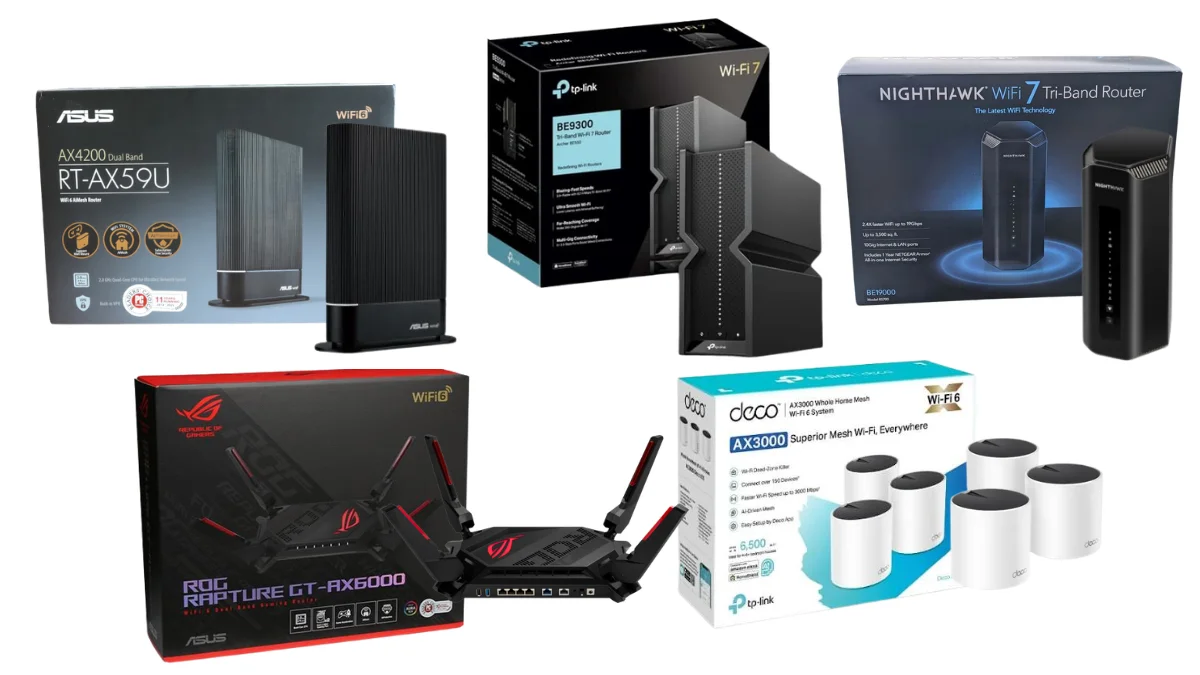
Best UK Broadband Routers in October 2026
Struggling with slow Wi-Fi? Our 2026 expert review compares the best broadband routers for UK homes, from Wi-Fi 7 powerhouses to budget mesh systems. Learn how to fix dead zones today.
Working from Home and Gaming The Best Packages
If you rely on your internet for working from home or online gaming, these merged networks have a huge technical benefit that the big brands rarely mention. They offer matching upload and download speeds, known as symmetrical connections.
Why Upload Speeds Matter
Standard packages from major brands might give you fast download speeds but give you terrible upload speeds. The new networks do things differently. They give you the exact same speed both ways. This makes a massive difference to your day and removes the annoying bottlenecks that slow down modern apps.
For remote workers, sending huge files, saving work to the cloud, and making video calls happens instantly without slowing down the rest of the house. You can screen share on Zoom or upload large video files to servers in seconds. If you’re struggling with a poor connection in your home office, you might want to look into broadband without a contract to test a new network without a long commitment.
For gamers, fast upload speeds mean you can stream your gameplay to Twitch without dropping frames. Combined with the smooth lines of new fibre cables, your games will stay completely lag-free. Latency dictates how quickly your actions register in online games. Full-fibre networks provide incredibly low latency, giving you an advantage in fast-paced matches. Check out our guide on the best broadband for gamers for more specific technical tips.
Top Deal Picks
To get the best balance of price and speed, look for these plans:
- The Work from Home Pick (150Mbps to 300Mbps): This usually costs around £XX a month depending on the provider. It easily handles a few people working, downloading, and streaming 4K video at the same time.
- The Gamer Pick (900Mbps+): This is often priced around £XX a month by newer brands. It gives you top-tier speeds for a busy home with dozens of connected devices.
The Router Tech You Get for Free
A fast internet line is pointless if your router can’t send that signal across your house. Standard routers from older providers often struggle to push Wi-Fi through thick walls or handle more than ten devices at once. The larger, merged networks are spending a lot of money on good gear to match their fast lines.
Better Routers
Instead of giving you cheap, basic plastic routers, these merged brands pack quality tech into their deals. Companies under the newer networks often supply top-tier TP-Link or Linksys Wi-Fi 6 routers for free. These units can handle dozens of phones, TVs, and smart tech devices at the same time without dropping out. Wi-Fi 6 technology splits the wireless signal more efficiently, meaning your work laptop doesn’t have to fight with the living room TV for bandwidth.
Signal Boosters
Because these companies have better funding after merging, they now offer extra help for larger houses. You can get mesh boosters to wipe out internet dead zones. A mesh system works by placing small extra nodes around your house. They catch the main signal and blast it at full strength into hard-to-reach rooms like loft conversions or garden offices. Many altnets now promise a reliable signal in every room or your money back.
How to Switch and What to Watch Out For
Switching used to mean calling up two different companies and trying to time the dates perfectly so you weren’t left in the dark. The industry has finally fixed this annoying process.
One Touch Switching
The process is now incredibly easy thanks to the UK’s One Touch Switching rules. When you switch between broadband companies, your new provider handles the whole cancellation with your old one. You don’t even have to call up your old brand to tell them you’re leaving. They arrange a date behind the scenes and swap you over without dropping your connection. Read our full guide to One Touch Switch (OTS) to see exactly how this protects you.
The Copper Switch-Off
You should know that the UK is currently turning off the old copper telephone network. Upgrading to a new full-fibre network means your old landline phone will run over your internet connection instead of a wall socket. If you rely on a home phone, make sure to ask your new provider for a digital voice adapter. We explain this massive national change in detail in our UK Copper Switch-Off Guide.
Check for Contract Fees
Before you jump to a cheaper network, check when your current deal ends. Leaving companies like BT or Virgin Media early can land you with expensive exit fees. If you only have a month or two left, it’s usually best to wait it out to avoid a penalty.
Frequently Asked Questions
Will my internet stop working when my provider gets bought out?
Your internet connection won’t stop working during a company buyout or merger. Regulatory rules mandate that service continuity is maintained throughout any corporate transition. The physical cables running to your house and the router inside your home remain exactly the same. The only changes happen in the background billing systems and customer databases. You’ll receive plenty of notice before any minor maintenance might occur, but complete dropouts caused by a merger are exceptionally rare.
The engineers working on your local network are usually the same people who built it, even if their uniform changes colour. They know the infrastructure intimately. The buying company wants to keep you as a paying customer, so causing a massive outage is the exact opposite of their goal. You can continue streaming, working, and gaming without any interruption while the corporate offices sort out their paperwork.
Can the new company force me onto a more expensive contract?
The new company can’t force you onto a more expensive contract while you’re still within your minimum term. Your original contract is a legally binding document that transfers over to the new owners. They must honour the price, the speed guarantee, and any extra features you agreed to when you first signed up. If they attempt to change your core terms to your disadvantage, Ofcom rules state you can leave the contract immediately without paying any early termination fees.
Once your minimum term ends, the new company can present you with new pricing options. You’re completely free to reject their new prices and switch to a different provider. It’s always wise to keep track of your contract end date so you’re ready to negotiate or move on if the merged company tries to increase your monthly bill.
What happens to my router if the companies merge?
You don’t need to replace your router just because your provider merged with another company. The hardware provided to you during installation belongs to the network and will continue to function normally. The internal settings that connect your router to the wider internet might receive an automatic update overnight, but this requires no manual effort from you. Your Wi-Fi password and network name will stay exactly the same.
In some rare cases, a newly merged company might offer you a free router upgrade to bring all their customers onto a unified technical standard. They will post the new equipment to you with clear instructions on how to swap it out. Until you receive an explicit letter offering an upgrade, you can ignore the corporate changes and keep using your current box.
Will customer service get worse after a merger?
Customer service often improves after a merger because the new company has more money to invest in larger support teams. Small altnets sometimes struggle to answer phones quickly because they run on skeleton crews. When they join forces with a bigger brand, they pool their call centre resources. This usually results in faster response times and better online chat support.
The transitional period can sometimes cause minor hiccups as staff learn new software systems. These issues are usually ironed out within the first few months. The major independent brands have built their entire reputation on being better than the big incumbents. They know that poor customer service will drive you straight back to BT or Virgin Media, so they prioritise keeping their Trustpilot scores high.
Do I have to change my email address if my provider changes name?
If your broadband provider gave you a free email address linked to their brand, you might eventually need to change it. Many of the newer independent networks refuse to offer email services for this exact reason, encouraging customers to use Gmail or Outlook instead. If you do have an ISP-branded email, the acquiring company usually keeps the old email servers running for at least twelve months to give you time to migrate.
It’s highly recommended that you stop using email addresses tied to your internet provider. Moving your accounts to a free, independent service like Google or Apple means you never have to worry about losing access when you switch broadband companies. It gives you total freedom to chase the best deals without the headache of updating your email address on dozens of websites.
Is it harder to get a refund or compensation during a merger?
The automatic compensation scheme rules apply regardless of whether your provider is going through a merger. If your connection drops for more than two full working days, or an engineer misses an appointment, you’re legally entitled to standard compensation payouts. The acquiring company takes on all the liabilities of the old company, meaning they’re responsible for paying out any money owed to you.
You should still keep detailed records of any outages or missed appointments just in case the billing systems get confused during the transition. If you struggle to get your compensation, you can escalate the issue to the telecommunications ombudsman. The ombudsman doesn’t care who owns the company; they only care that you receive the money you’re legally owed for poor service.
Why are altnets merging instead of just building more networks?
Building new physical networks is incredibly expensive and slow. Digging trenches, laying ducting, and paying expert engineers requires millions of pounds in upfront investment. When interest rates spiked, the cost of borrowing that money became too high for smaller companies to manage. It became much cheaper to simply buy a rival company that has already completed the hard digging work.
The UK market also reached a point of silly overlap. Some wealthy towns had cables from four different providers running down the same street, while rural areas had none. Investors realised this was a massive waste of resources. Merging allows these companies to stop fighting each other over the same hundred houses and instead focus on taking market share away from the giant national monopolies.
Will these merged networks ever rival BT Openreach?
The newly formed merged entities are specifically designed to rival BT Openreach. By combining their coverage areas, companies like Nexfibre and the Netomnia group now pass millions of homes. This massive scale makes them highly attractive to major retail internet providers like Sky or TalkTalk, who currently rely on Openreach to deliver their services.
If these wholesale agreements take off, the merged altnets could become the default alternative network for the entire country. They offer newer technology, symmetrical speeds, and often lower wholesale prices than Openreach. While they might never cover every single remote farm in the UK, they’ll absolutely challenge the old monopoly in towns, suburbs, and cities.
What happens to my direct debit during a company buyout?
Your direct debit mandate usually transfers over to the new company automatically. The banking system has specific protocols for corporate buyouts that allow direct debits to be reassigned without you needing to fill out new forms. The name appearing on your monthly bank statement will likely change to reflect the new parent company.
The company must write to you formally before they alter any direct debit details or change the billing name. If you notice a strange new name taking money for your broadband, check your emails or letters for the official merger notice. You don’t need to cancel your old direct debit or set up a new one unless the provider explicitly instructs you to do so in writing.
Can I use One Touch Switching to leave a merged company?
You can absolutely use One Touch Switching to leave a merged company if you find a better deal elsewhere. The new switching rules apply to almost every major and minor provider in the country. If you’re out of your contract period and want to move, you just place an order with your chosen new provider. They’ll contact the merged company and handle the entire cancellation process on your behalf.
This makes it incredibly easy to walk away if you’re unhappy with how a corporate buyout changes your service. You don’t have to call retention teams or listen to heavy sales pitches trying to make you stay. The new system forces companies to compete entirely on the quality of their service and the price of their packages, giving the power back to you.
Ready to Find a Better Deal
As of October 2026, these new broadband mergers are shaking up the market, breaking up old monopolies and driving prices down. If you want faster speeds, lower bills, and customer service that treats you like a human being, it’s time to look past the usual names.
Use our postcode checker below to see which new networks have arrived on your street and grab a deal that gives you more for less.